Do It Yourself Roofing System Fixing: Step-by-Step Overview to Tackling Common Roof Issues
Dealing with usual roof covering problems via DIY repair work can be a prudent option for home owners wanting to reduce expenses and prolong the life of their roof coverings. Understanding the common issues-- such as leaks or missing shingles-- along with the needed tools and security preventative measures, is important for effective resolution. The process begins with an extensive assessment, yet lots of find themselves unclear concerning the succeeding actions. As we explore the details of roofing system fixing, it becomes obvious that a systematic technique can make all the difference in attaining a durable option.
Usual Roofing Concerns
When it pertains to keeping the honesty of your home, dealing with usual roofing concerns is essential. Homeowners commonly come across a range of roofing troubles that can endanger the architectural safety and security and aesthetic appeal of their home. The most widespread problem is roof covering leaks, which can arise from harmed shingles, inappropriate blinking, or stopped up rain gutters. These leaks can cause water damage, mold and mildew growth, and enhanced power expenses otherwise immediately dealt with.
Another usual trouble is the existence of missing or harmed tiles. Severe climate conditions, age, and poor installation can add to roof shingles wear and tear. Additionally, signs of sagging or uneven roofing lines might suggest underlying structural problems that need instant attention.
The buildup of particles, such as fallen leaves and branches, can trap moisture and promote the growth of moss or algae, both of which can harm roof covering materials over time. Lastly, insufficient air flow can result in warmth build-up in the attic, resulting in premature wear of roof components (Roof Repair). By identifying these typical problems, homeowners can take positive steps to ensure their roof coverings stay in excellent problem and safeguard their financial investment
Crucial Tools for Repair Services
Attending to roofing issues successfully needs the best collection of tools to ensure repair services are finished safely and efficiently. A fully equipped toolkit not just promotes the repair work procedure yet likewise enhances the overall quality of the work.
Primarily, a strong ladder is necessary for accessing the roofing. See to it it is ranked for the elevation and weight demands of your project. Next off, a roof covering nail weapon can significantly accelerate the installment of roof shingles, while a hammer is important for more elaborate tasks.
A pry bar is important for removing old shingles or blinking, and an energy knife is required for cutting products to size. Additionally, a caulk weapon and roofing concrete are necessary for sealing leakages and securing sides.
To guarantee exact measurements, a tape measure and a square are essential. For security and efficiency, think about purchasing a pair of work handwear covers and safety goggles. Ultimately, having a container or tarp accessible helps to accumulate debris and keep a tidy workplace. By constructing these essential tools, you position yourself for a successful DIY roof covering repair work experience.
Safety Preventative Measures to Take Into Consideration
Safety ought to be an extremely important factor to consider during any type of DIY roof covering fixing task. Engaging in roof work can be unsafe, and taking necessary preventative measures is essential to avoid mishaps and injuries. Always put on ideal individual protective equipment (PPE), including a hard hat, non-slip footwear, gloves, and safety and security goggles. This equipment will aid protect against dropping debris and give traction on slick surfaces.
Next off, make certain that you have a stable ladder that is rated for your weight and the tasks you intend to do. Constantly place the ladder on a flat surface and have a partner hold it consistent while you climb (Roofing Service). Additionally, it is vital to understand climate conditions; stay clear of servicing the roof during rainfall, high winds, or severe temperature levels, as these aspects can enhance the danger of accidents
In addition, acquaint yourself with your roofing system's structure and any kind of prospective risks, such as electrical cords or vulnerable areas. If your repair includes removing tiles or various other materials, beware of sharp sides that could trigger cuts. By focusing on security and following these standards, you can reduce risks and attain a much more successful do it yourself roof covering repair service experience.
Inspecting Your Roofing
An extensive inspection of your roof covering is necessary before beginning on any kind of repair. This process allows you to determine potential concerns that may need attention, assuring a more reliable repair technique. I&E Roofing & Construction, Inc.. Begin by analyzing your roof covering from the ground level, making use of binoculars if needed, to obtain a clear sight of the shingles, blinking, and seamless gutters
Try to find any kind of visible indicators of damage, such as missing out on or curled roof shingles, rusted flashing, or built up particles in the seamless gutters. Pay particular attention to areas around vents, chimneys, and skylights, as these prevail sources of leakages. If you feel comfy, very carefully risen to the roof covering for a closer examination.
While on the roofing, check for soft areas or drooping areas, which might indicate underlying structural concerns. Confirm that all water drainage systems are functioning correctly and that water is guided far from the structure. File your searchings for and take pictures for reference. This extensive evaluation will certainly give you with valuable insights into the current problem of your roofing system, assisting you focus on repairs successfully and guaranteeing your home stays secured from the aspects.
Fixing Leaks and Splits
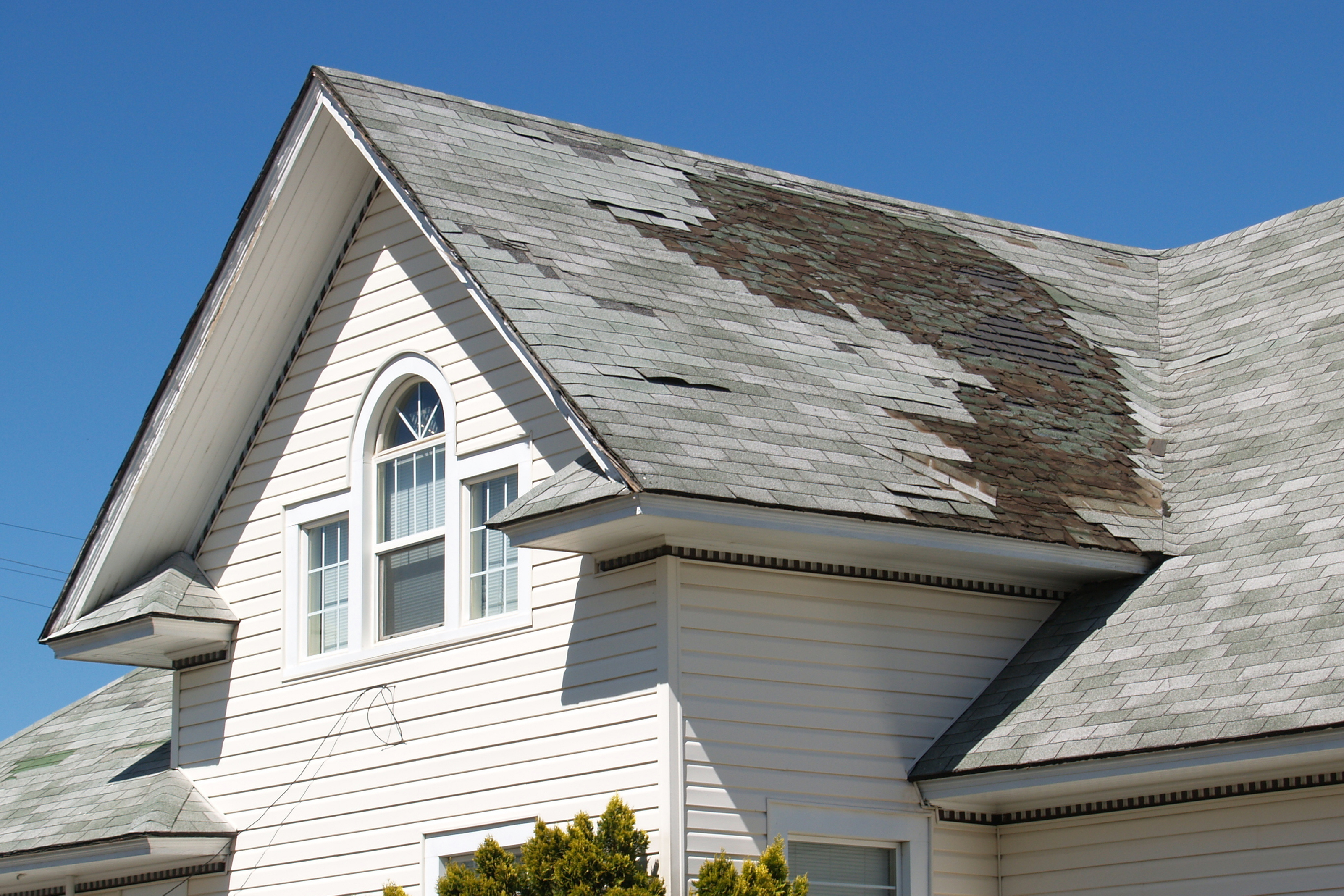
Finding and fixing leakages and splits in your roofing is vital to preserving its stability and avoiding additional damages. To start the repair work procedure, carry out a thorough inspection of the roof, specifically after extreme weather. Search for noticeable indicators such as water stains on ceilings, sagging areas, or harmed blinking.
Once you determine the source of the leakage, tidy the location around the crack or leak to ensure appropriate attachment of repair materials. For little cracks, a premium roof covering sealant can be used. Use a caulking weapon to dispense the sealer, ensuring it fills up the fracture completely and expands beyond its edges. Smooth the sealant with a putty blade for a smooth surface.
For bigger leaks or openings, consider utilizing a patching approach. Cut a piece of roofing material that expands at the very least two inches past the broken area. Apply roof covering cement to the underside of the spot and press it firmly onto the leak. Seal the sides with extra concrete, making sure a leak-proof bond.
After repair services, keep track of the location during rainstorms to confirm the efficiency of your work. Prompt interest to leakages and cracks will certainly lengthen your roof covering's life-span and maintain your home's safety.
Replacing Missing Roofing Shingles
Replacing missing out on shingles is a crucial action in maintaining the integrity of your roof. To effectively complete this task, specific devices are called for, in addition to a clear understanding of the installment procedure. In the adhering to areas, we will describe both the required tools and a detailed guide to guarantee an efficient replacement.

Tools Required for Substitute
When addressing the issue of missing out on shingles, having the right devices available is essential for an effective repair service. A durable ladder is essential to safely access the roof. Ensure it reaches the peak and is put on strong ground. Next off, you will require a roof covering hammer or a level pry bar, which will certainly assist in eliminating damaged roof shingles and nailing in substitutes.
Additionally, an energy knife is important for trimming shingles to the wanted size, ensuring a snug fit. You will certainly additionally need roof covering nails that match your existing roof shingles in dimension and shade to maintain visual uniformity. A caulking weapon with roof covering sealant can be useful for securing sides and stopping leakages.
To improve your security, consider utilizing a harness and non-slip footwear while dealing with the roofing. Finally, a tarpaulin can be vital for capturing debris and securing your landscape design from falling materials. Having these tools handy will certainly streamline the process, allowing you to effectively deal with the substitute of missing shingles and restore your roof covering to its suitable problem.
Installment Refine Explained
With the needed devices gathered, the installment process for changing missing out on roof shingles can start. Verify safety and security by putting on ideal protective gear, consisting of handwear covers and a tough hat. Beginning by carefully removing any damaged or loose shingles surrounding the area where the replacement is needed. Use a pry bar to raise the existing roof shingles carefully, making sure not to harm those still undamaged.
Next, prepare the area for the new shingle installment. Tidy the exposed surface area of any particles or old adhesive. If the underlayment is harmed, replace it to avoid leakages. Select a brand-new roof shingles that matches the existing roofing system in shade and design. Setting the new shingle according to the roof covering's pattern, validating it overlaps appropriately with nearby shingles.
Secure the brand-new tile using roof covering nails, putting them in the designated nail strip to stay clear of water seepage. Apply roofing adhesive under the shingle's sides for additional defense against wind and water. Ultimately, examine the completed installation for appropriate alignment and safe and secure fastening. Dispose of any particles sensibly and carry out a last check of the roofing to confirm all roof shingles are undamaged and correctly secured.
Maintaining Your Roofing
Maintaining your roofing is necessary for prolonging its lifespan and preventing costly fixings. Normal examinations allow home owners to determine possible problems early, while reliable cleaning of particles guarantees proper water drainage and protects against water damages. By prioritizing these maintenance jobs, you can guard your investment and improve your home's overall stability.
Normal Inspections Value
Normal inspections of your roofing system are crucial for its durability and efficiency. By conducting routine evaluations, property owners can identify potential problems prior to they escalate into expensive repair services. An aggressive approach to roofing upkeep warranties that minor problems, such as loose roof shingles or little leakages, are attended to without delay, thereby prolonging the life of the roof.
Examinations should be scheduled a minimum of twice a year, ideally in spring and autumn, to accompany seasonal adjustments that could influence roof honesty. Throughout these evaluations, look for signs of wear and tear, consisting of cracked or missing out on roof shingles, rusted flashing, or harmed rain gutters. I&E Roofing & Construction, Inc.. Additionally, pay interest to any type of unusual sagging or discoloration, as these might indicate underlying architectural troubles
Documenting the findings of each assessment can help track the roofing system's problem with time, making it easier to make educated choices concerning upkeep or replacement. Moreover, preserving a clean and clear roofing system can assist in protecting against water buildup and succeeding damage. Eventually, regular inspections work as a crucial component of a reliable roof covering upkeep technique, safeguarding your financial investment and assuring a secure environment for your home.
Cleaning Particles Successfully
Effective roof covering maintenance goes together with keeping the surface devoid of particles. Collected leaves, branches, and other products can cause moisture retention, promoting mold development and prospective leaks. Routine cleansing is necessary to protect against these issues and extend the life expectancy of your roofing.
Begin by securely accessing your roofing system, making use of a sturdy ladder and suitable safety and security equipment. When on the roof, utilize a fallen leave blower or a mop to remove loosened particles efficiently. For stubborn products, a plastic inside story can be employed to prevent harming the roofing material. Beware around roof covering vents and chimneys, guaranteeing that their capability is not jeopardized.
In addition, it is vital to cleanse your gutters and downspouts frequently. Clogged rain gutters can cause water to overflow, bring about damage not only to the roofing yet also to the home's foundation. Utilize a yard hose to clear out any type of continuing to be particles after getting rid of the seamless gutters.
Frequently Asked Questions
How Can I Tell if My Roof Covering Demands Substitute As Opposed To Repair?

What Are the Signs of a Roofing That Has Sustained Storm Damage?
Recognizing tornado damages on a roof is important for maintaining its honesty. Trick indicators consist of missing out on or harmed roof shingles, visible leaks inside the home, granules building up in rain gutters, and misaligned or bent flashing. Furthermore, check for cracks or openings in the roof framework and evaluate for any kind of drooping locations. If these signs are present, it is recommended to seek advice from an expert for a detailed analysis and proper remediation actions.
Is It Okay to Fix My Roof Covering Throughout Rainy Climate?
Fixing a roof throughout wet weather condition is generally unwise. Damp conditions can exacerbate safety and security threats, such as slippery surface areas, and may restrain correct bond of roofing products. Furthermore, moisture can endanger the efficiency of certain repair options, leading to suboptimal outcomes. It is suggested to wait for dry weather condition to ensure a safe functioning environment and attain the best feasible result for the repair work. Prioritizing safety and security and effectiveness is extremely important in roof covering maintenance.
Just how Commonly Should I Conduct Roofing System Inspections for Maintenance?
Normal roofing system inspections are necessary for maintaining the stability of your roof covering system. It is typically advised to conduct detailed inspections at the very least two times a year, ideally in the spring and loss. Additionally, post-storm examinations can recognize damage that might have happened as a result of extreme St Louis Roofing Companies weather condition problems. By proactively resolving potential problems, house owners can extend the life of their roofs and protect against costly repair work in the future.
Can I Set Up New Tiles Over Old Ones?
Installing new roof shingles over old ones is feasible, however it is generally not advised. This strategy might save time and labor prices; nevertheless, it can result in irregular surface areas, raised weight on the roof structure, and potential moisture retention issues. It is recommended to get rid of the old shingles to guarantee correct installment, boost the roof covering's long life, and keep service warranty insurance coverage. Consulting a roofing professional for tailored advice is also advised.
Comments on “The Risks of Overlooking Roof Repair Is Never Worth It”